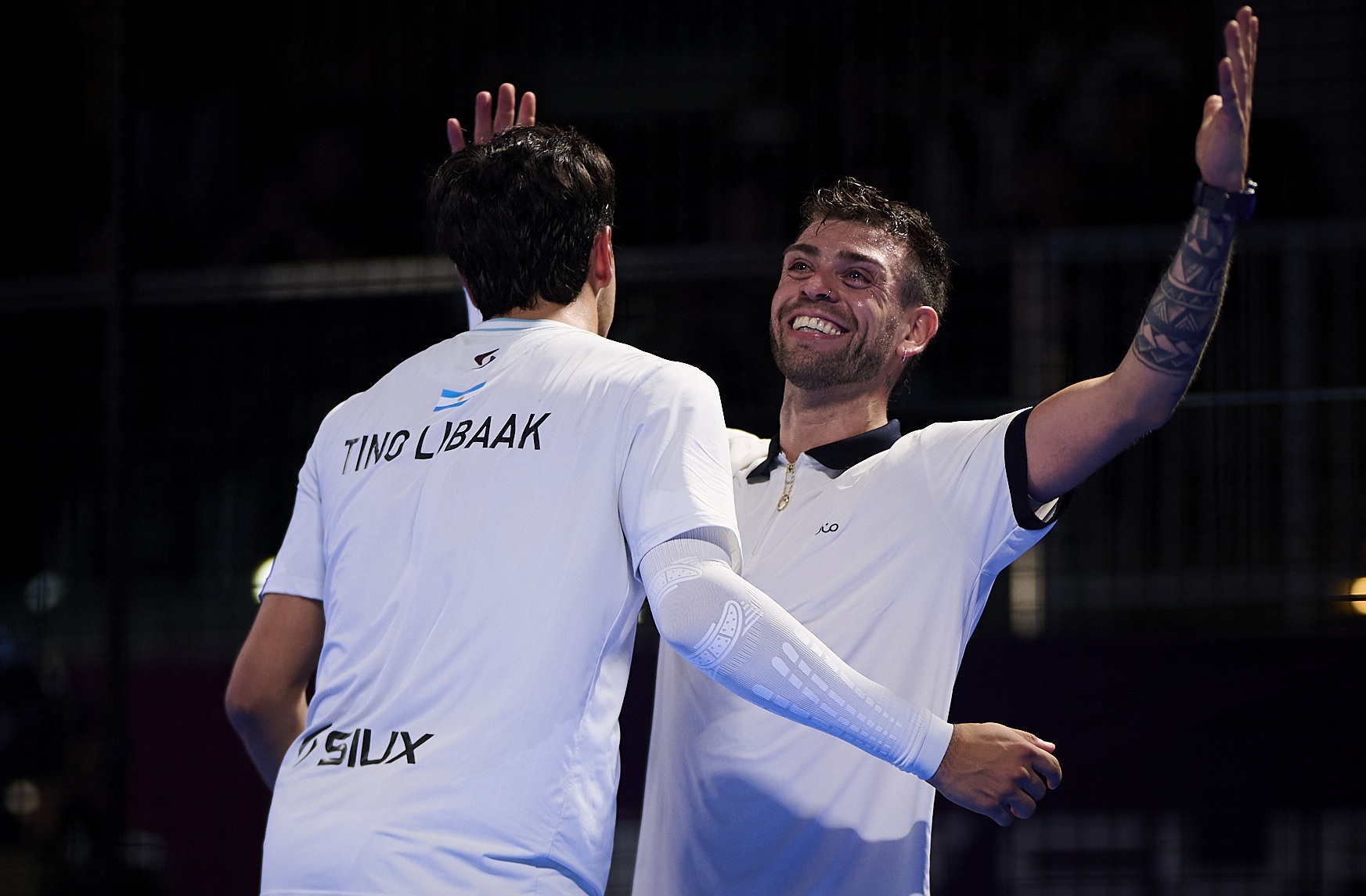

From 22 to 26 September 2026, Madrid hosted the FIP World Cup European qualifiers at Pádel G24. According to the International Padel Federation (FIP), 55 national teams representing 29 countries took part. Four places in the Doha finals were at stake: two in the men's competition and two in the women's.
The Madrid tournament has ended. The finals, however, are scheduled for 2 to 7 November 2026. For clubs considering hosting a team competition, the event is a prompt to think ahead about organisation. The available sources do not detail the resources or arrangements used by Pádel G24, so the points below are general ideas, not a description of how the club organised the event.
Build a clear schedule
A tournament uses the courts for more than just matches: training sessions, warm-ups, lessons that continue as usual or time slots reserved for the organisers can also affect the schedule. Before opening registrations, a club can map out the time slots involved, identify when courts will be unavailable and allow some room for adjustments.
This overview also helps keep regular members informed. A schedule shared across the club team can help limit late-notice changes. For clubs looking to organise bookings, lessons and tournaments in one tool, padel club management software may be one option to consider.
Plan how people will move around the club
A team competition brings together players, coaches, officials and accompanying persons. Even without knowing the specific needs of a particular event, a club can identify routes, reception points and areas that may be busy at the same time. It is useful to decide who will direct participants and how practical information will be displayed.
These checks do not mean the venue needs to be transformed. They help identify potential conflicts between the club's usual activities and the tournament, and then determine what instructions to share before the teams arrive.
Prepare communications and bookings
Players and club members do not necessarily need the same information. Teams want to know where and when to report; members want to know which courts are available and whether the schedule has changed. Clear communications can set out the dates, affected time slots, access arrangements and what to do if there is a change.
Court bookings also deserve particular attention: unavailable time slots need to be clearly shown, and regular bookings should not conflict with the sports programme. A court booking tool can help a club organise availability from day to day.
Above all, Madrid's event is a reminder of the scale an international competition can reach: 55 teams from 29 countries gathered over a few days. For a host club, preparation starts with practical questions about scheduling, movement around the venue and information—questions to address in light of its facilities and the event.
Photo : padelfip.com.