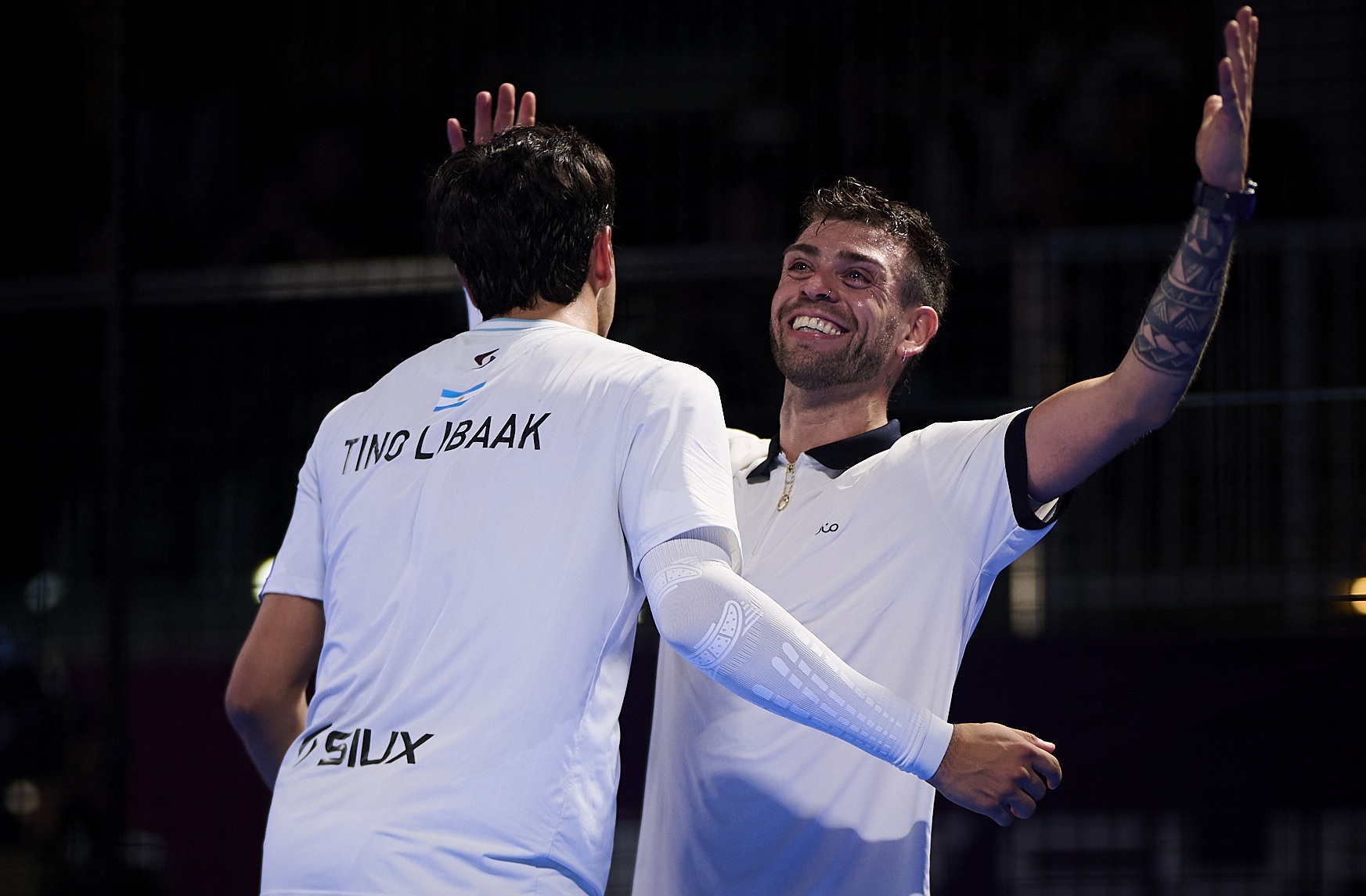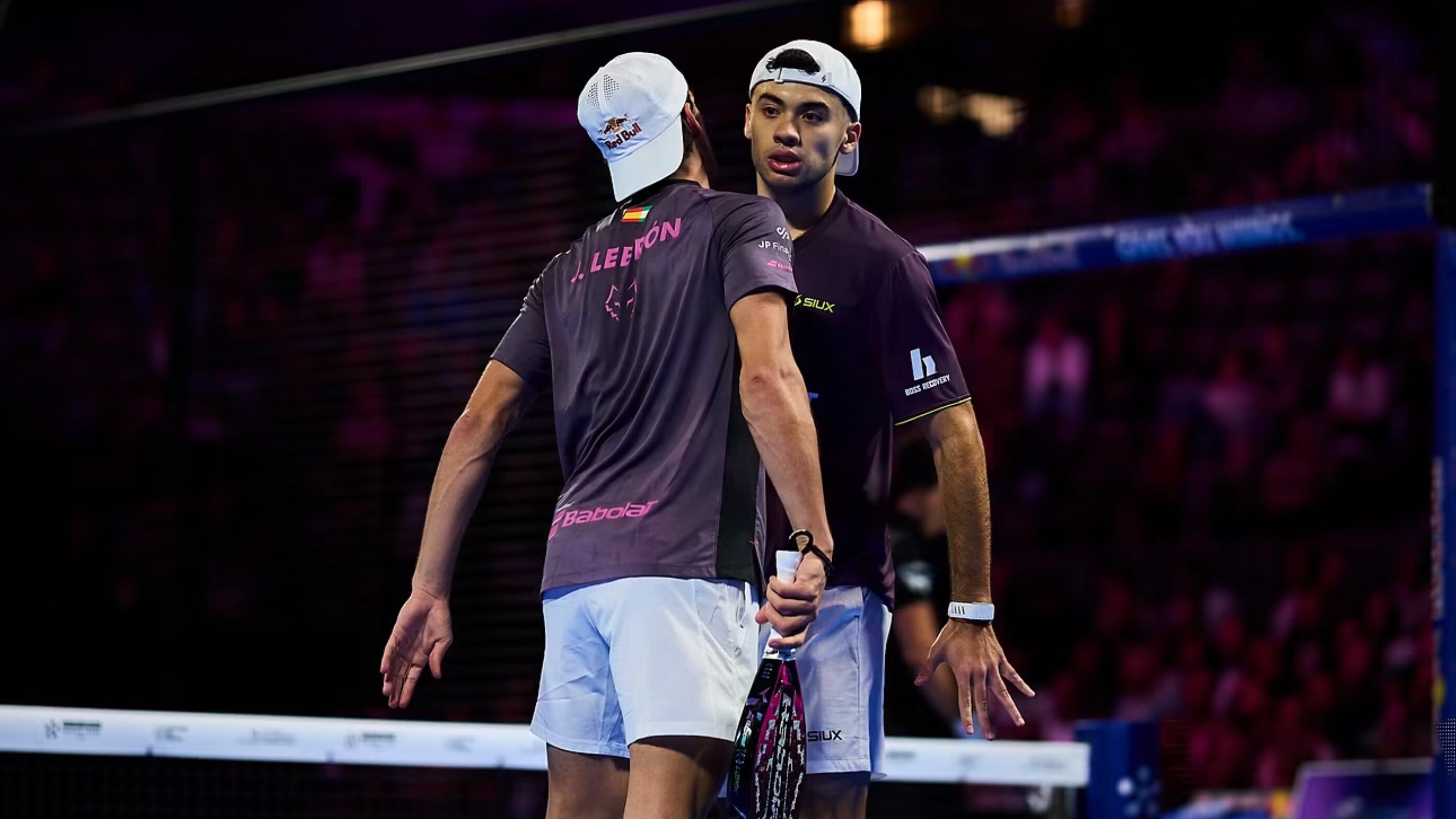

A team competition can bring several age categories together for the same event. The FIP Senior World Cup, held in Buenos Aires from September 14 to 19, 2026, is one example at international level. For a club, some of its principles can inspire an intergenerational event, adapted to the players available and the facilities.
What the Senior World Cup offered
The final phase brought together 32 men’s teams and 26 women’s teams, in categories ranging from +40 to +60. Each tie between nations was played as a best-of-five match series.
In the men’s final, Argentina beat Spain 3–2. In the women’s competition, Spain won the title against the United States, its fourth consecutive title in this competition. These results illustrate the event format; on their own, they do not allow conclusions to be drawn about padel participation around the world.
An idea to adapt for your club
A club can take two simple elements from the format: form teams and plan for several age categories. The point is not to reproduce the international format, but to build an event suited to the people who sign up.
Before setting the rules, the organizer can sound out players, check how many courts are available and estimate how much time each match will take. They can then decide whether teams represent age groups, regular playing slots or mixed groups. Categories should remain flexible enough to reflect the number of participants: the competition’s +40 to +60 age bands will not necessarily suit every club.
A format that’s easy to understand
To keep a team element, the club can create a team ranking based on several matches. The best-of-five format used between nations is one possible reference, not a requirement: a shorter event or a different number of matches may better fit the schedule and local availability.
A few practical decisions to clarify before registration opens:
- who can take part and how teams will be formed;
- the number of matches planned and the tie-break rules;
- start times, slot lengths and any breaks;
- how the schedule and any changes will be communicated to players.
Explaining these rules in advance helps everyone understand how the event will run. It does not guarantee high participation: that will depend, among other things, on players’ interest and the club’s constraints.
Plan court slots and registrations
An event with several teams requires coordinating court availability, matches and registrations. A clear schedule helps the club team keep track of the slots reserved for the event and those that remain available to other players. A padel club management tool can also help bring the club’s activity tracking together.
The Senior World Cup therefore offers an organizational idea, not proof that a particular format will work everywhere. The most useful approach is to start with a format that fits the courts, the time available and the interested players, then adjust the next event based on the feedback received.
Photo : padelfip.com.