On 10 February 2026, Premier Padel announced the creation of the Premier Padel Academy for the 2026 season. According to the International Padel Federation (FIP), the programme includes camps and lessons for adults and young players of different levels, held around tournaments on the tour. The Academy is to work with clubs, promoters and local associations.
As of 26 September 2026, the announcement cited does not make it possible to verify which sessions have already taken place or their detailed arrangements. Nor does it explain how a club could take part. For organisers considering running their own camp, however, it raises useful questions to address before opening registration.
Who is the camp for?
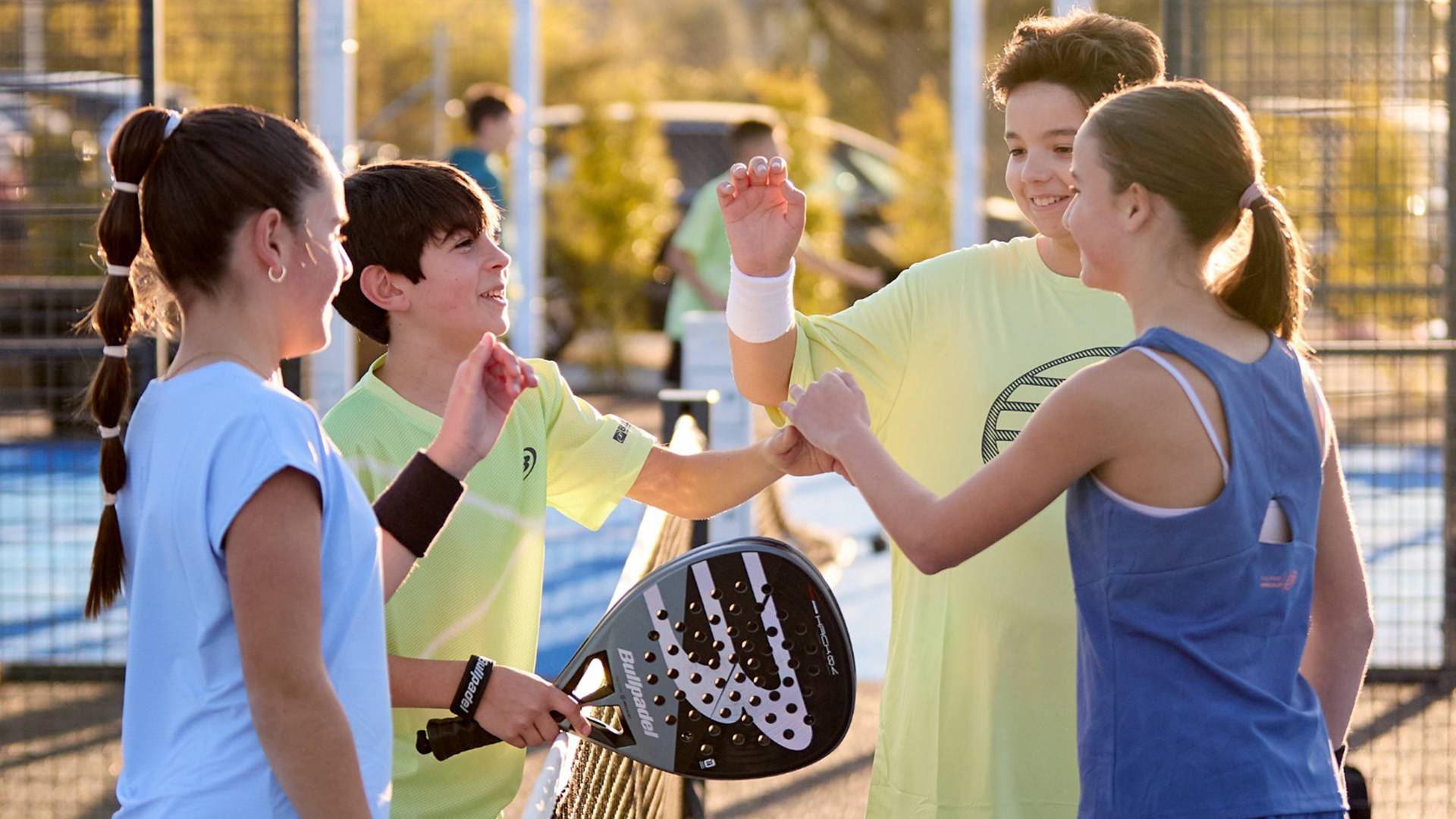
“Open to all levels” may sound welcoming, but the needs of a beginner and those of a regular player are not the same. A club can choose to offer separate groups, or a camp focused on a particular level and goal. The key is to describe the intended audience clearly so players know what to expect.
For young players, it is also important to specify age groups and the arrangements for welcoming them. For adults, experience level and expectations—trying padel for the first time, improving, or playing more intensively—can help create groups with a good fit. These are possible organisational choices, not confirmed arrangements for the Premier Padel Academy.
What format and goal should you announce?
Before scheduling sessions, define what participants should work on: for example, the basics of the game, movement around the court or doubles strategy. The content should match the stated level and the time available. A concrete description helps players choose without promising a guaranteed sporting result.
The club can then decide on the format: a camp lasting one or more days, sessions spread across the week, or a one-off lesson. It is useful to state the times, required level, equipment needed and any cancellation terms in advance. The FIP announcement does not provide these details for Academy camps, so each club needs to set its own arrangements.
How can you avoid registration complications?
A camp uses courts and time slots that also need to remain clear for the club’s other activities. Before publishing the offer, check court availability, capacity and how registrations will be confirmed. Also make it clear who players should contact with questions about the level or content.
When camps, lessons and bookings are tracked using separate tools, keeping tabs on places and time slots can become tedious. A court booking tool can help organise time slots; lessons and registrations also need to be planned alongside the rest of the club’s schedule.
The announcement of the Premier Padel Academy offers an example of a programme aimed at amateur players and different audiences. For a club, the first step is simpler: decide who the camp is for, define its goal and communicate clear registration rules. To see how NextSet supports the organisation of club activities, you can request an online demo.
Photo : padelfip.com.