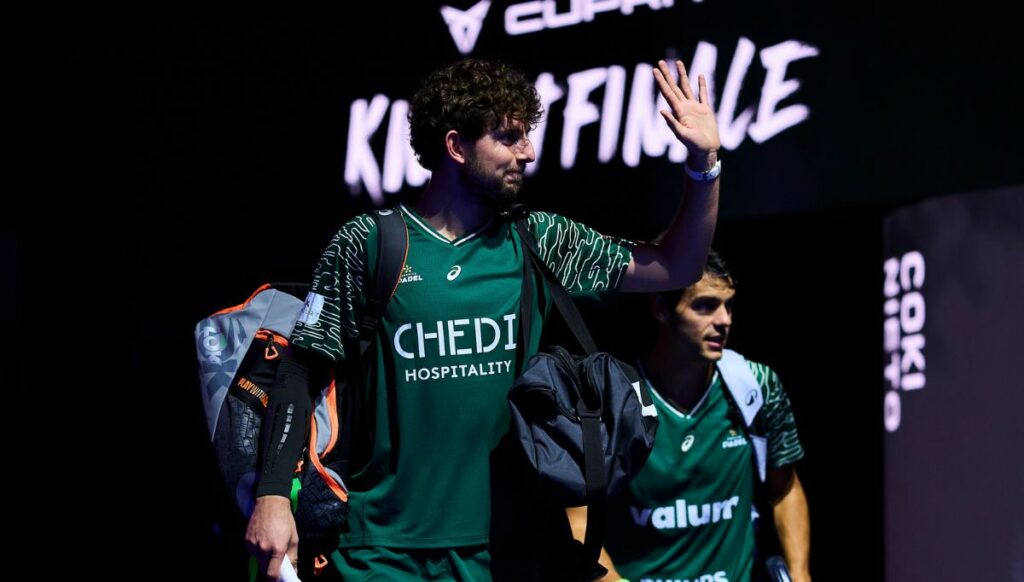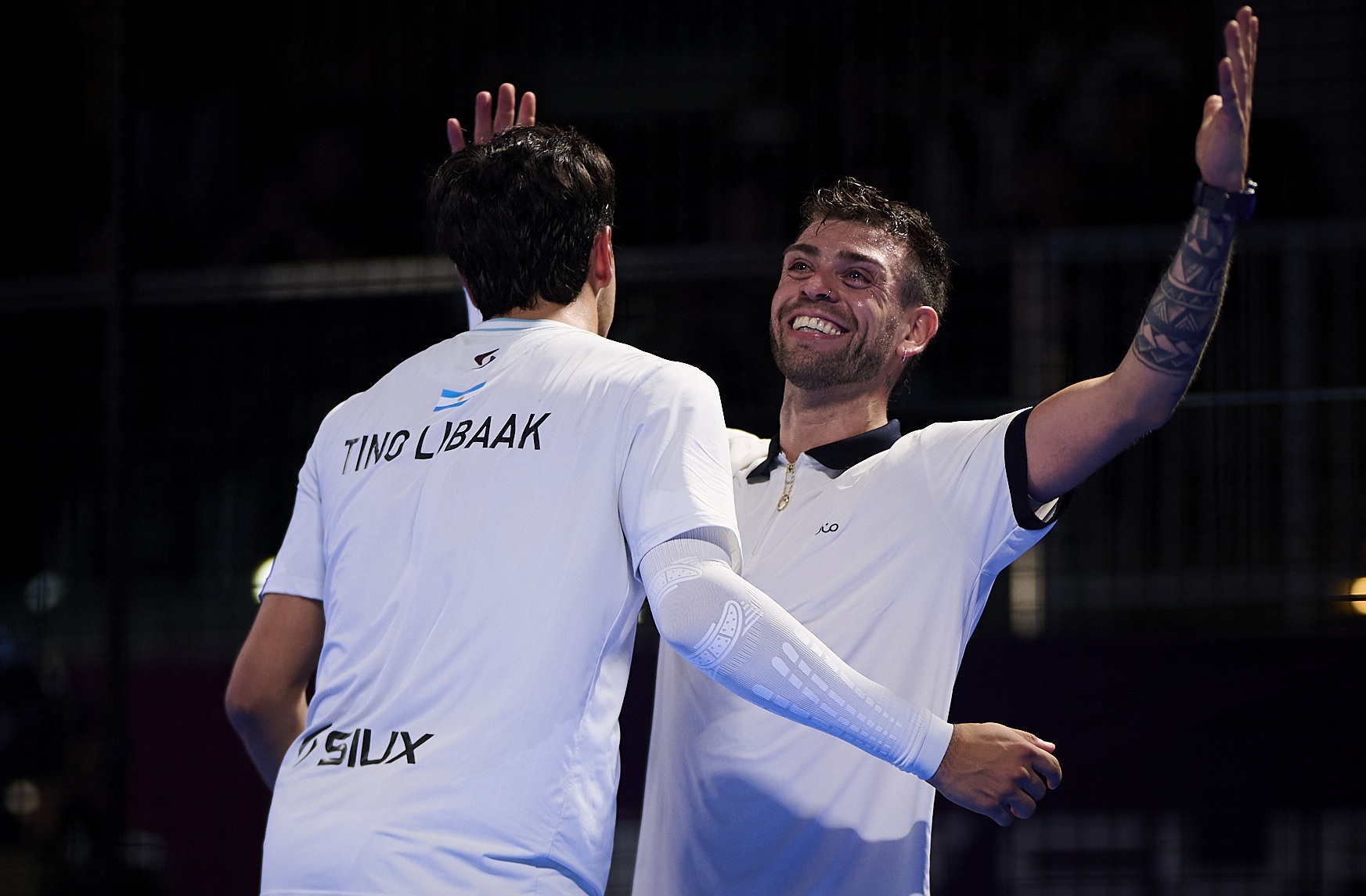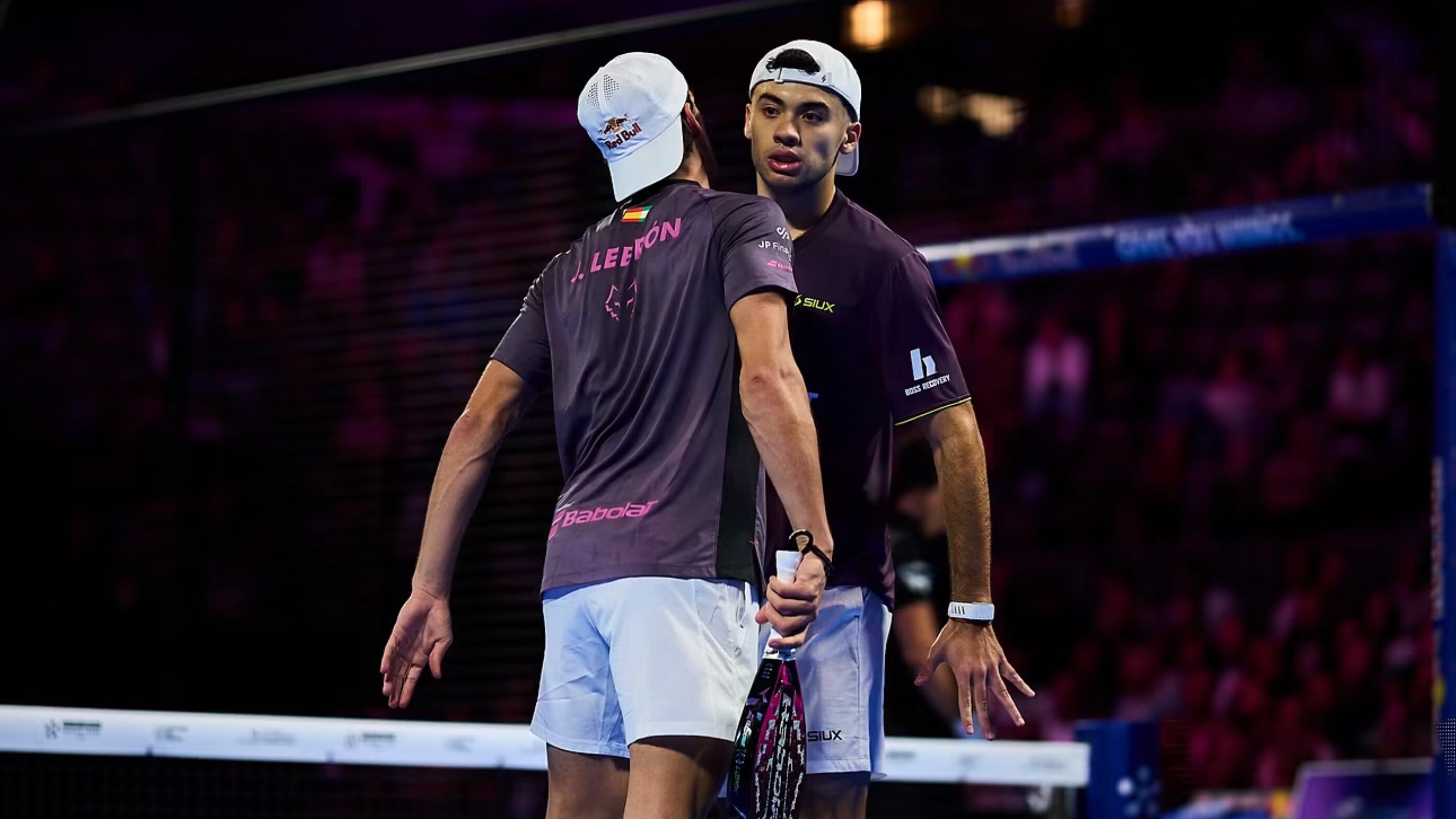

From 22 to 26 September 2026, Pádel G24 in Madrid hosted the European World Cup qualifiers. According to the International Padel Federation (FIP), 55 national teams from 29 countries took part, with four places at stake for the finals in Doha, scheduled for 2 to 7 November. The teams that qualified are not specified here.
This competition offers a starting point for thinking about how to host a team tournament. It does not allow us to describe how Pádel G24 organised the event internally. For a club preparing its own tournament, here are some practical ideas to adapt to its format and resources.
Reserve courts and protect the schedule
Start by estimating the number and duration of matches, then decide how many courts you can allocate to the competition. Allow buffer time between matches too: a delay, a longer warm-up or a change to the programme can affect the following time slots.
Decide in advance which courts will remain available for regular bookings if the tournament is running alongside the club’s usual activities. Block the relevant time slots in the schedule and communicate any restrictions before registration opens. This reduces the risk of players misunderstanding why certain slots are unavailable.
Make the schedule easy to follow
For a team competition, participants should be able to find the information they need without having to ask at every stage. Prepare a programme showing match times, assigned courts, arrival arrangements and whom to contact with questions.
Plan a clear way to announce changes on the day. If the schedule may evolve, explain where teams and spectators can check the latest version. It is better to make clear what is confirmed and what may still change.
Organise the welcome for teams and spectators
List the welcome arrangements needed for the expected number of participants: an arrival point, registration checks, access to the courts and movement around the club. If spectators are expected, also consider how to direct them and where they can wait without disrupting play.
Divide responsibilities among the people involved: who welcomes participants, updates the programme, answers questions and keeps track of timings? Even for a modest-sized event, clarifying these roles can help avoid conflicting instructions.
Review the event to learn from it
After the tournament, compare the planned schedule with what actually happened. Note any delays, busy periods and recurring questions from players. These observations can help you adjust court bookings, communications and task assignments for the next competition.
To centralise time slots and activities, a club can also consider a padel club management tool. The right choice depends on its organisation and needs.
Photo : padelfip.com.